Session Focus: Explore practical strategies for navigating, managing, and leading change in today’s environment—where adaptability isn’t optional, it’s the core of how we work.
The workforce is changing fast—with an estimated 78 million new jobs expected globally by 2030, pervasive skill gaps, and the rise of AI as a "cognitive industrial revolution." In this highly dynamic environment, adaptability isn't optional; it's the core of how we work.
Access this discussion with Jennifer Rainey to explore practical, human-centered strategies for talent development. The discussion covers critical trends, from rapid job transformation to the business risk posed by loneliness in the workforce. You'll learn what these trends mean for talent leaders, including the need for programs to be agile, scalable, and future-focused.
Discover how to leverage Empathy Mapping as a strategic tool to understand your audience and build inclusive, adaptive programs. The session also details ways to use AI to enhance—not replace—human-centered design and decision-making. Learn to deliver personalized, micro-learning at scale and integrate fragmented training into cohesive development frameworks. Walk away with actionable ideas to conduct strategic workforce planning and design for connection, psychological safety, and well-being.
Recommended Reading
To further explore the power of human-centered leadership and organizational transformation, we encourage you to check out
Becoming a Human Organization, Transforming Work, Touching Lives by Azizeh Constantinescu. Her book offers a unique look at how principles of ancient wisdom can be applied to foster collegial respect, belonging, and growth in today's workplaces.
This session will offer HR Talent leaders actionable insights from industry leaders on transforming rigid structures into adaptive networks that empower employees across all levels.
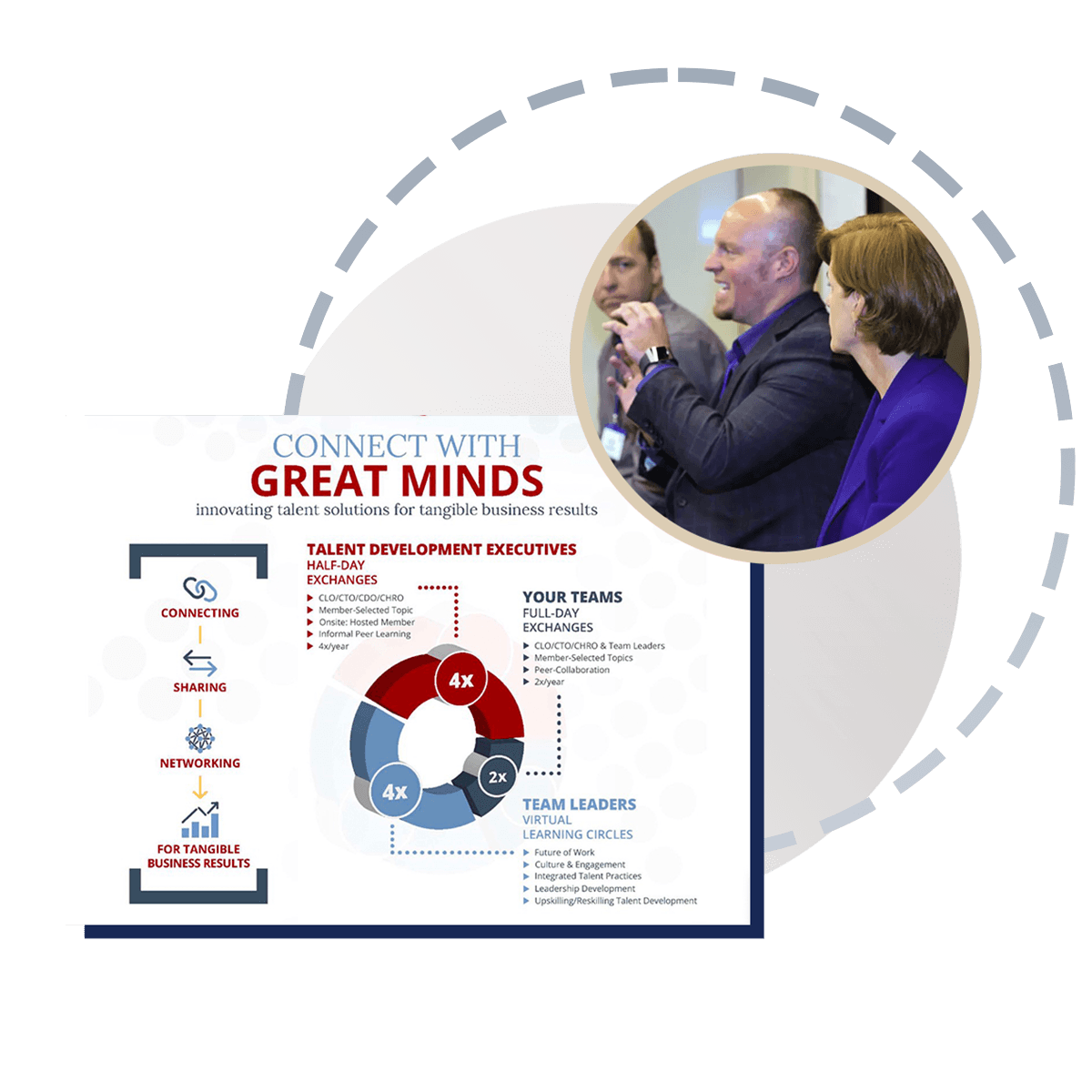
ELE produces this Learning Circle:
Reskilling Talent Development.
ELE's Idea Exchange: Collaborate online with your peers.